Ads5 Nov 20262 min readBy MotionVox Studio
AI-assisted ads vs a traditional shoot: what changes for brands
When a traditional shoot still wins, where AI-assisted production helps, and what changes in the process for brands commissioning ads.
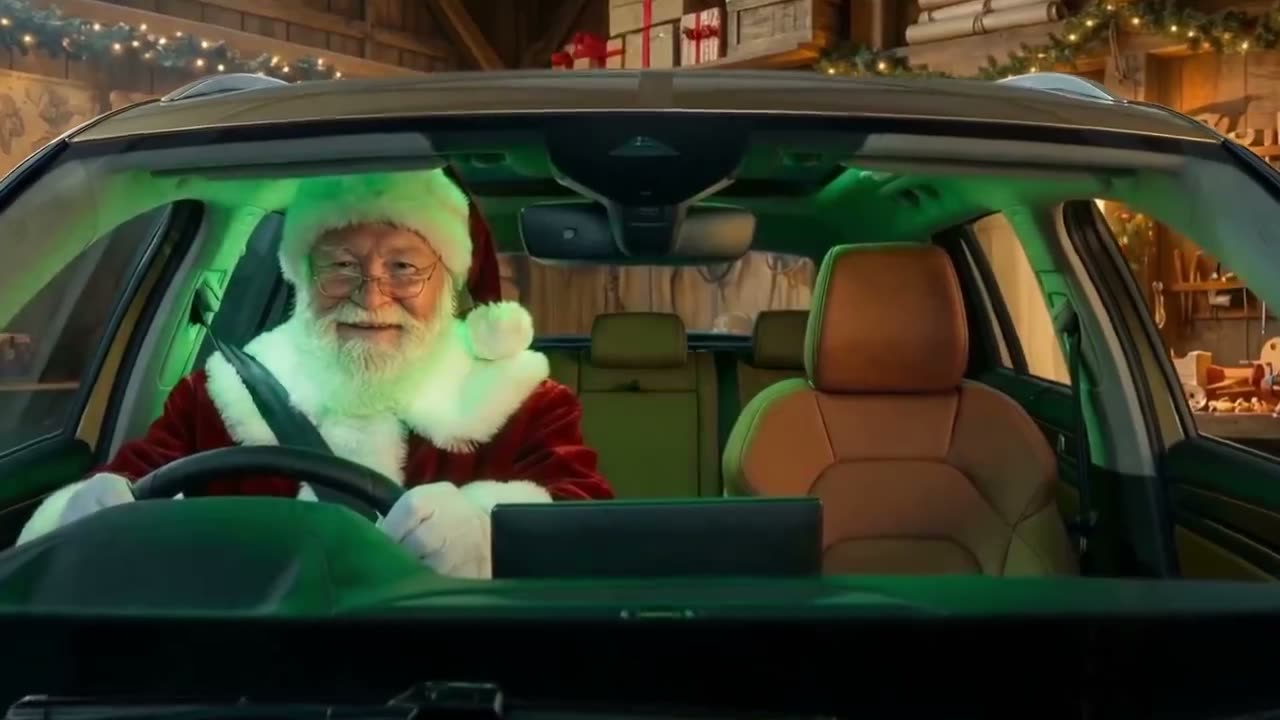
Brands now ask a version of the same question in almost every brief: should this be shot, or made with AI? The honest answer is that it's rarely all one or the other. Here is how we think about it as a creative studio that does both kinds of work.
Where a traditional shoot still wins
- Real people people already know. Celebrity talent, your own founder or real customers telling real stories.
- Hands-on product truth. Food being cooked, fabric moving on a body, a device in use, where every detail has to be exactly right.
- Documentary feel. Behind-the-scenes, events and anything where the audience must trust it really happened.
Where AI-assisted production helps
- Testing ideas early. Turn three scripts into rough films before committing a big budget to one.
- Volume and variants. Different hooks, lengths and ratios for each platform and audience, made from one master.
- Places you can't easily shoot. A rainforest at sunrise, a snowy street in summer, a set that would cost more than the campaign.
- Seasonal refreshes. Festive versions of a hero film without bringing the whole crew back.
- New markets. Pair it with dubbing and one campaign can run in many languages.
The question isn't "AI or shoot". It's which shots need a camera.
What changes in the process
The craft stays the same: an idea, a script, a storyboard, direction, an edit, sound and a grade. A few things shift:
- Approval moves earlier. Because frames can be previewed cheaply, the storyboard becomes the main sign-off point. Changing a frame after that costs time, so a detailed storyboard saves money.
- Consistency is designed in. Characters, products and locations are locked as references so they look the same in every shot.
- Text and logos come last. Supers, prices and packshots are added in the edit, not inside the generated footage, so they stay sharp and easy to change.
- Checks become explicit. Product accuracy, likeness rights and brand rules get their own review, the same way a shoot has continuity and legal checks.
Questions to ask any studio
- Who directs the film, and who signs off each frame?
- How do you keep our product and characters consistent across shots?
- What counts as a revision after the storyboard is approved?
- Who owns the final files, and what are the usage rights?
- Which formats, lengths and languages are included?
The mix most brands end up with
In practice many campaigns blend both. A shot hero product moment sits inside AI-assisted world-building, or a filmed spokesperson is cut into many AI-assisted variants for social. The best results come from deciding shot by shot, starting from the story rather than the tool.
That's how we work at MotionVox: story first, then the right method for each shot, with people reviewing every frame. If you have a brief and aren't sure which way to go, send it over and we'll show you how we'd approach it.
More from the blog
 Dubbing3 min read
Human, AI or hybrid dubbing: how to choose for your show
Human, AI and hybrid dubbing each fit different shows. Here is how to choose based on emotion, volume, deadline and audience.
 Micro-drama2 min read
Localising micro-dramas for new markets without losing the hook
Micro-dramas live or die on the hook. How to adapt scripts, voices, pacing and subtitles so episodes still land in a new language.
Behind the scenesFollow the studio
Catch the next reel first.